


According to Feeding America, around 80 million tons of food is wasted in the US every year. While some of this will be lost from farms, in manufacturing, or during transportation, much of it comes from people’s homes. In fact, about 39 percent of all food waste happens at home. It’s time for change, but what can we do? It turns out, there are a few solutions.
We can opt for frozen meals or canned options that last longer, for example, and use up leftovers in new recipes. And, when all else fails, we can compost. Here’s what you need to know about composting vegan food, its benefits, and how to do it at home.
What is composting?
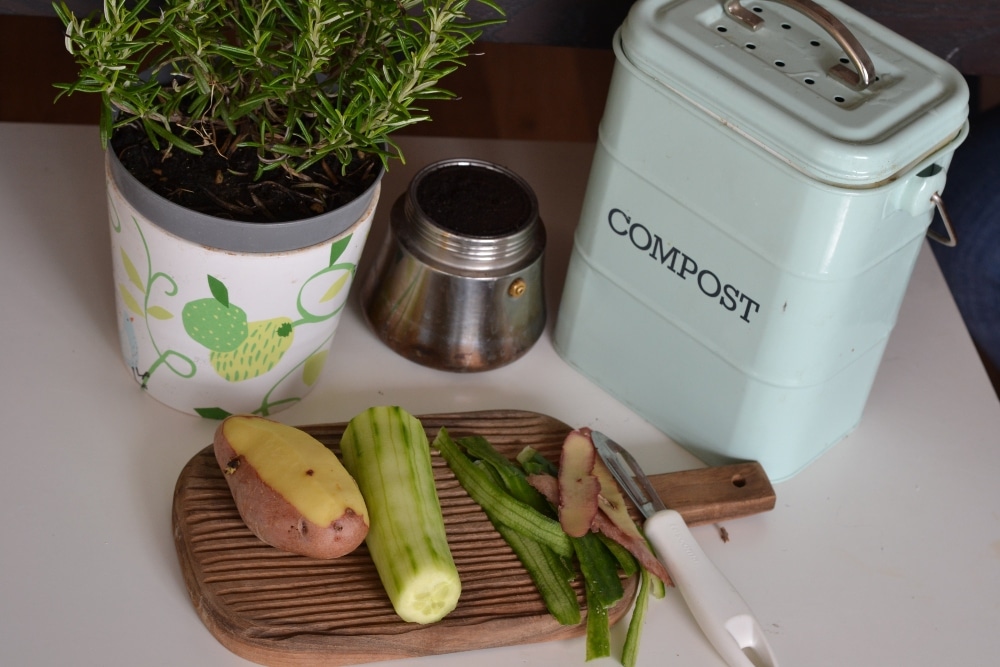
Composting is basically recycling, but, instead of pizza boxes, for example, you’re recycling food. “Anything that grows decomposes eventually,” explains environmental nonprofit the Natural Resources Defense Council (NRDC). “Composting simply speeds up the process by providing an ideal environment for bacteria, fungi, and other decomposing organisms (such as worms, sowbugs, and nematodes) to do their work.”
 Pexels
These decomposing organisms help to speed up the process because after food scraps have passed through their bodies, they turn into compost (so, yes, in a way, compost is just worm and bug poop). “Fondly referred to by farmers as ‘black gold,’ compost is rich in nutrients and can be used for gardening, horticulture, and agriculture,” adds NRDC.
Can you compost all vegan food?
Vegan food is pretty compost-friendly. You can compost all fruits, vegetables, nuts, seeds, beans, and so on. You can even compost tofu and tempeh, as well as things like seaweed, stale bread, coffee grounds, loose-leaf tea (be careful with tea bags, as sometimes they contain plastic), dairy-free milk, pasta, and rice.
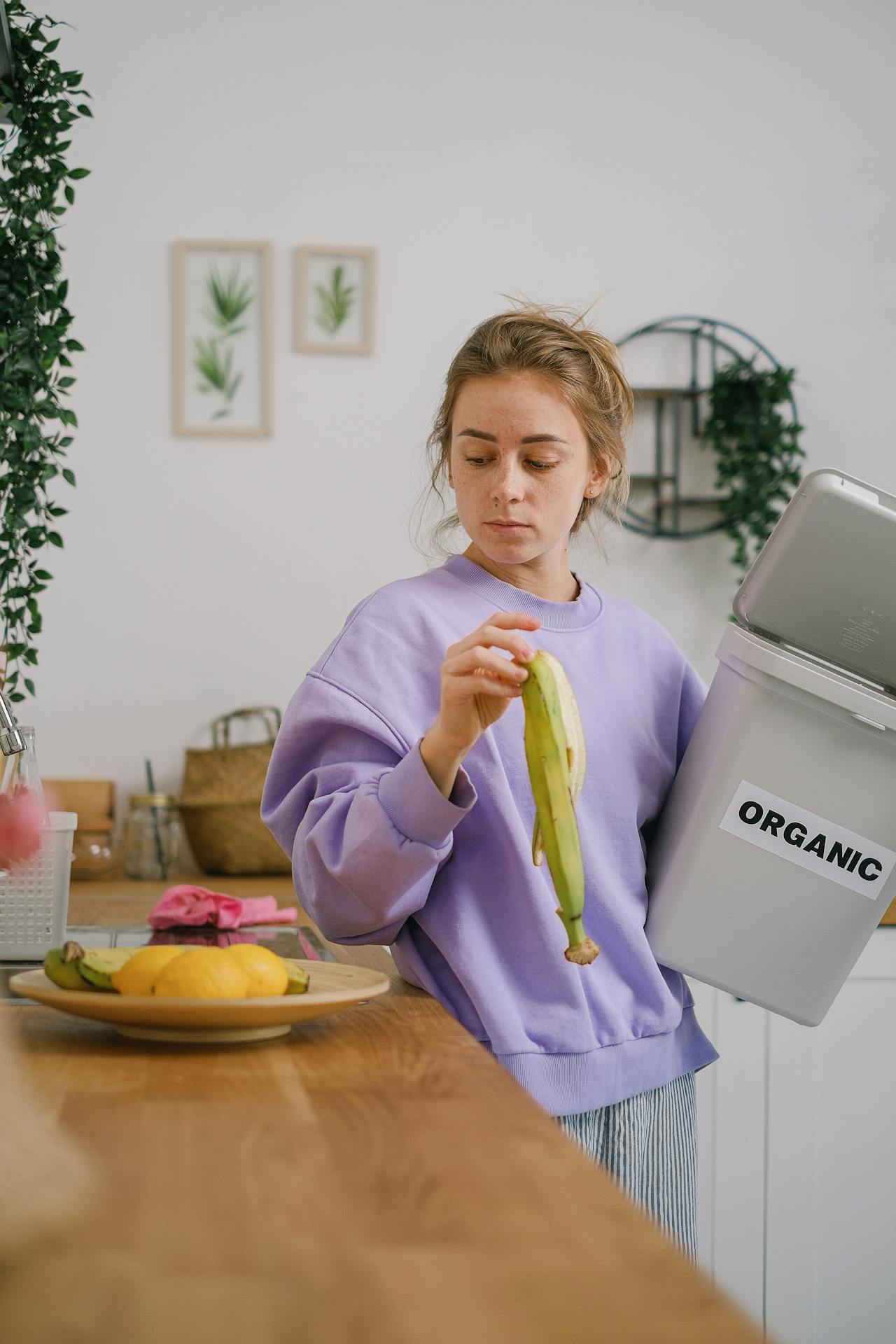
That said, with some ingredients, you should take a little bit of care. Rats, for example, absolutely love bread (and who can blame them), so if you don’t want to attract rodents to your compost pile, consider investing in a compost bin with a lid to keep them from sneakily munching away on your scraps.
 Shvets Production | Pexels
“Composting in an enclosed bin or a compost bin with a lid will help keep the pests from finding your tasty food scraps,” explains composting resource Help Me Compost. “Even in an open compost bin, just making sure that all of the pieces of bread are well covered will help prevent a pest problem from arising.”
The benefits of composting
There are many benefits to composting. For one, you’re reducing the amount of food that is thrown away every year, and that’s good for the planet. When food is thrown in the trash, it gets sent to the landfill, where it emits methane, a potent greenhouse gas. According to the Energy Saving Trust, around eight to 10 percent of all global greenhouse gas emissions are related to food waste.
When used in your garden, compost also helps soil retain nutrients and reduces erosion. And healthy soil means healthy plants!
BECOME A VEGNEWS VIP: Get exclusive product deals, freebies, and perks galore!
Laws around composting
In some places, it’s possible to leave your compost out with the trash. But in California, it’s not just possible, but mandatory.
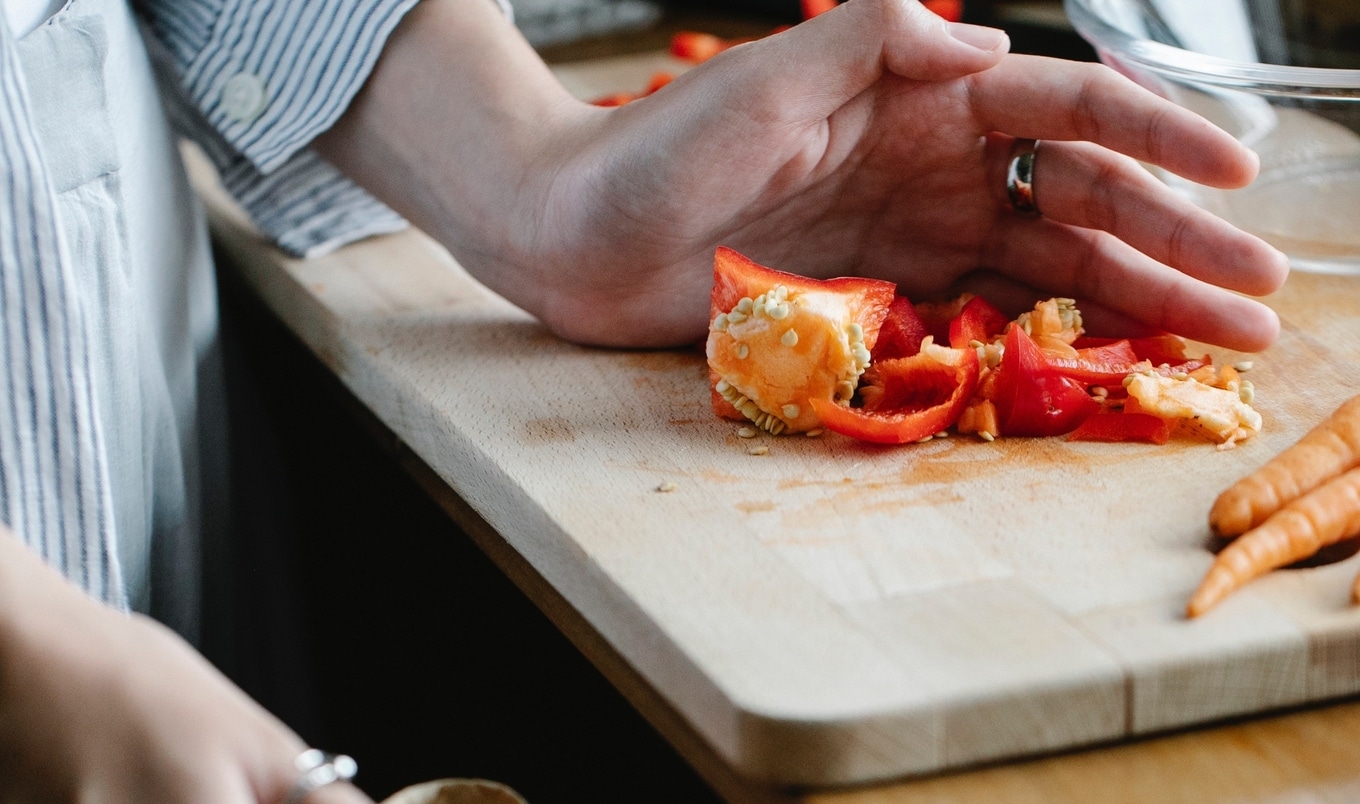
As of 2022, the state requires that all residents must separate their food waste from the rest of their trash using designated carts for compostable waste. This law was implemented to help Californians reduce the amount of organic waste in its landfills by 75 percent.
 Sarah Chai | Pexels
California isn’t alone—Rhode Island and Massachusetts have composting laws, too, but the first state in the US to introduce them was Vermont, in 2020. And so far, so good, according to researchers.
“We have seen really great progress just in the last two-and-a-half years since the law came into effect,” said University of Vermont researcher Emily Belarmino to Vermont Public. “Vermonters are separating 48 percent more of their food waste from their trash than they were just a few years ago.”
How to compost at home
If you have outdoor space, you can invest in a compost bin to throw your food scraps. But it is possible to compost in an apartment, too. Check out these top picks for home composters.
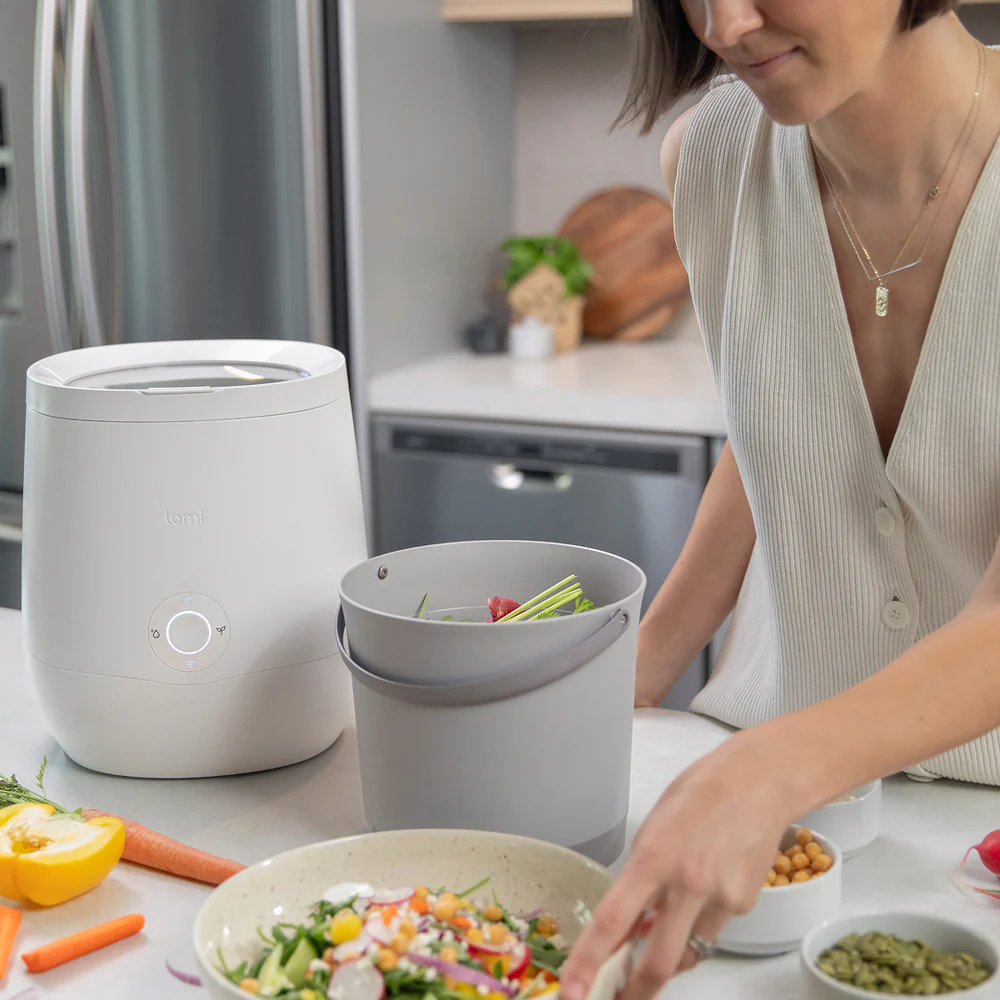
1The sleek kitchen countertop composter: Lomi 3
Lomi’s newest food composter is small but mighty. This sleek gadget fits seamlessly atop kitchen counters and holds up to three liters of food scraps. Simply fill it up the Lomi 3 with any food waste, and with the click of a button, you’ll have nutrient-rich dirt in just three hours. This composter also boasts odor control and quiet functionality, so you don’t have to worry about unwanted smells or noise.
Shop Lomi
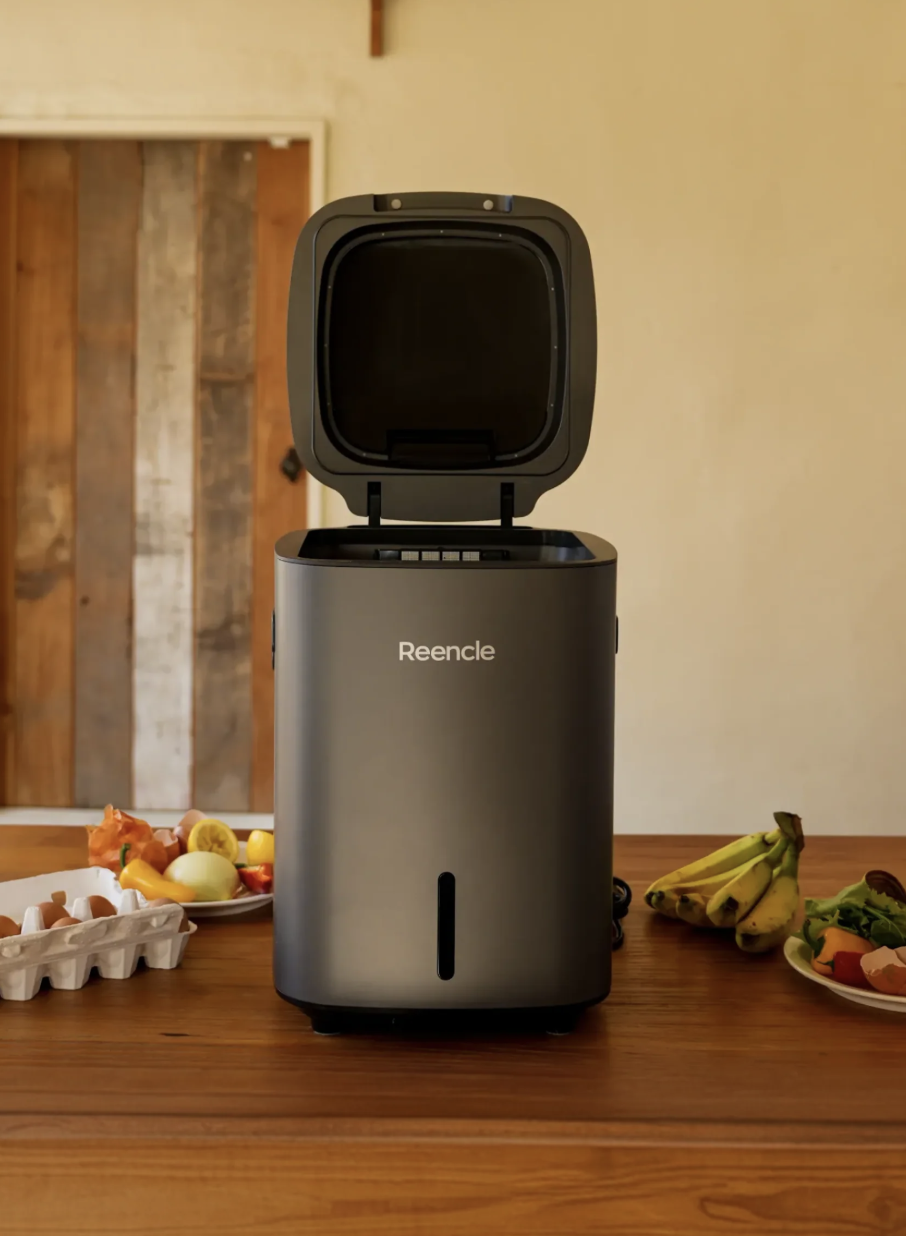 Reencle
2The family-sized electric composter: Reencle
Perfect for large families, Reencle’s electric composter holds up to 14 liters of food waste and transforms scraps into nutrient-dense fertilizer in less than 24 hours. The size of a trash can, this composter can easily fit into any space you would normally place a trash bin, whether it’s under your sink or a kitchen corner.
Shop Amazon
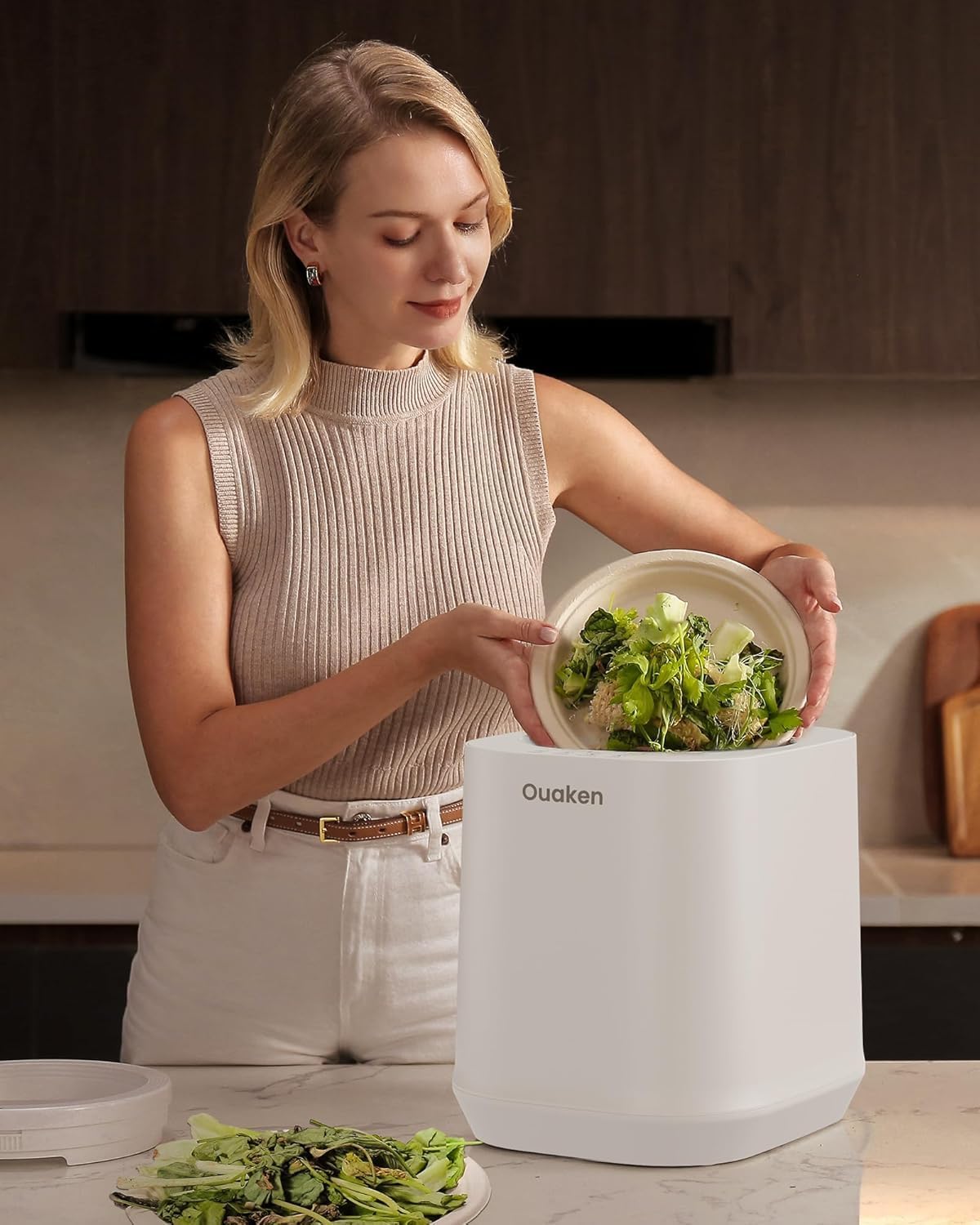 Ouaken
3The self-cleaning electric composter: Ouaken
Composting doesn’t get much easier than this. Ouaken’s four-liter electric composter comes equipped with high-torque blades that effortlessly break down food waste. Its carbon filter eliminates orders, and lasts up to five months before it needs replacing. Best of all? It even has a self-cleaning function for easy clean up between uses.
Shop Amazon
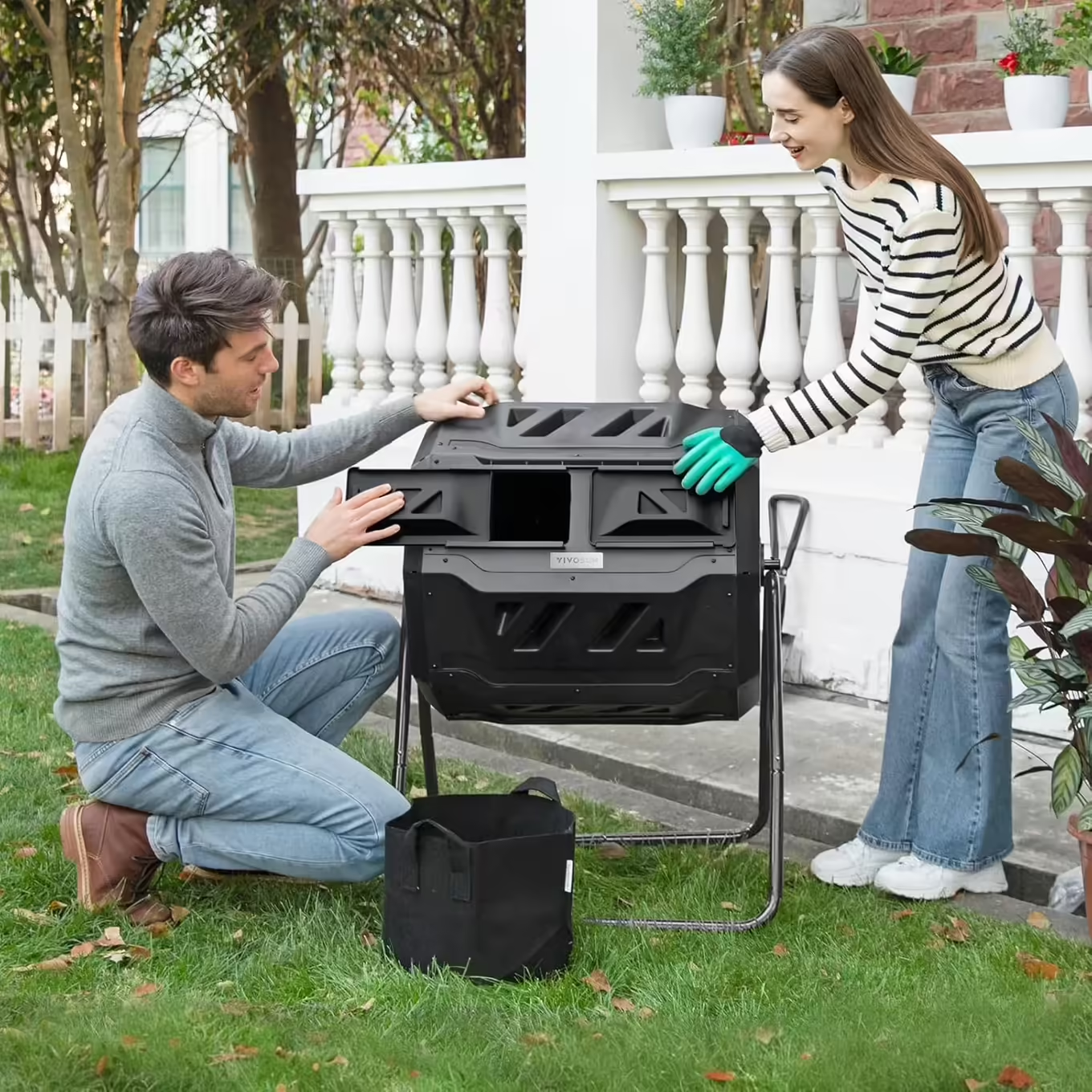 Vivosun
4The outdoor tumbling composter: Vivosun
Avid home gardeners with plenty of outdoor space may want to consider opting for Vivosun’s tumbling composter. This outdoor contraption holds a whopping 43 gallons of food waste. Its two-chamber design separates fresh waste from already composted material, meaning you can add food scraps to one side while the other continues breaking down older organic materials. Plus, its weather- and pest-resistant, so you don’t have to worry about rain, snow, or unwanted visitors.
Shop Amazon
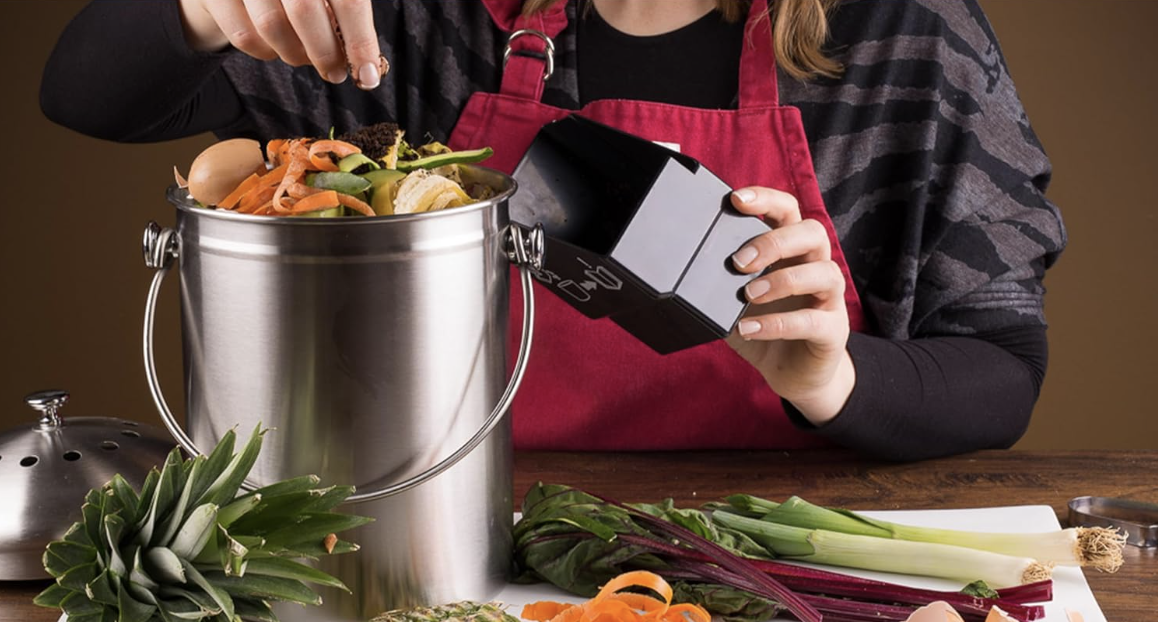 Epica
Epica
5The stainless steel kitchen composter: Epic
This Epica compost bin allows users to conveniently store food scraps in an odor-free, stainless steel tin right in their kitchens until they have enough organic material to load into an outdoor composter. This eliminates the need for daily trips to the composter or green waste bin.
Shop Amazon
For more plant-based stories like this, read:
JUMP TO ... Latest News | Recipes | Guides | Health | Subscribe

Charlotte is a VegNews editor and writer based in sunny Southsea on England's southern coast.
Here at VegNews, we live and breathe the plant-based lifestyle, and only recommend products we feel make our lives amazing. Occasionally, articles may include links where we might earn a small commission, but in no way does this effect the editorial integrity of VegNews.