In Japan, maitake is known as the “dancing mushroom,” because according to folklore, foragers would have no choice but to literally dance with joy when they saw its signature brown ruffles nestled at the base of Mizunara oak trees. It wasn’t the apparent medicinal benefits that would force toes to tap and arms to wave, but the fungus’ flavor. Maitake bursts with umami: it’s savory, earthy, tender—almost chicken-like, hence its nickname “hen of the woods.”
In the United Kingdom, at Plates, there aren’t any Mizunara oak trees, but there is plenty of dancing. As diners bite into meaty barbecued maitake mushrooms served on a bed of black bean mole topped with tangy kimchi, creamy aioli, and finished with a crust of crunchy puffed rice, they close their eyes, nod their heads, and sway their bodies in a display of unmistakable food-induced joy.
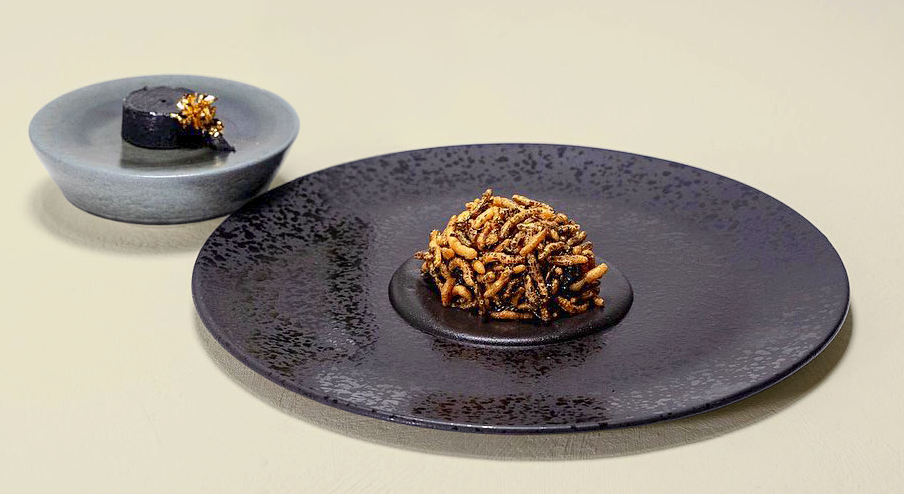 Plates
A Michelin mainstay
Plates, the UK’s first and only vegan Michelin-starred restaurant, sits in one of the most vibrant corners of Shoreditch, a trendy borough in East London. It’s lively, full of the fashion, street art, creativity, and chaos that characterize the city. Heading to Old Street, I dodge a stream of traffic and throngs of commuters spilling out from pubs after squeezing in just one more pint before descending to the Tube. It is London through and through, glorious, if not overstimulating. So stepping into Plates, full of soft, flickering candles and gentle lighting, feels almost like a mirage.
Inside the intimate, 25-seat dining room, I take in earthy, rich woods, cement walls, and natural textures. I immediately feel warm and at ease. The vibe and the aesthetic are pure hygge, which provides valuable respite from the capital’s fast pace, but also the perfect backdrop to a theatrical display of the potential of plant-based ingredients.
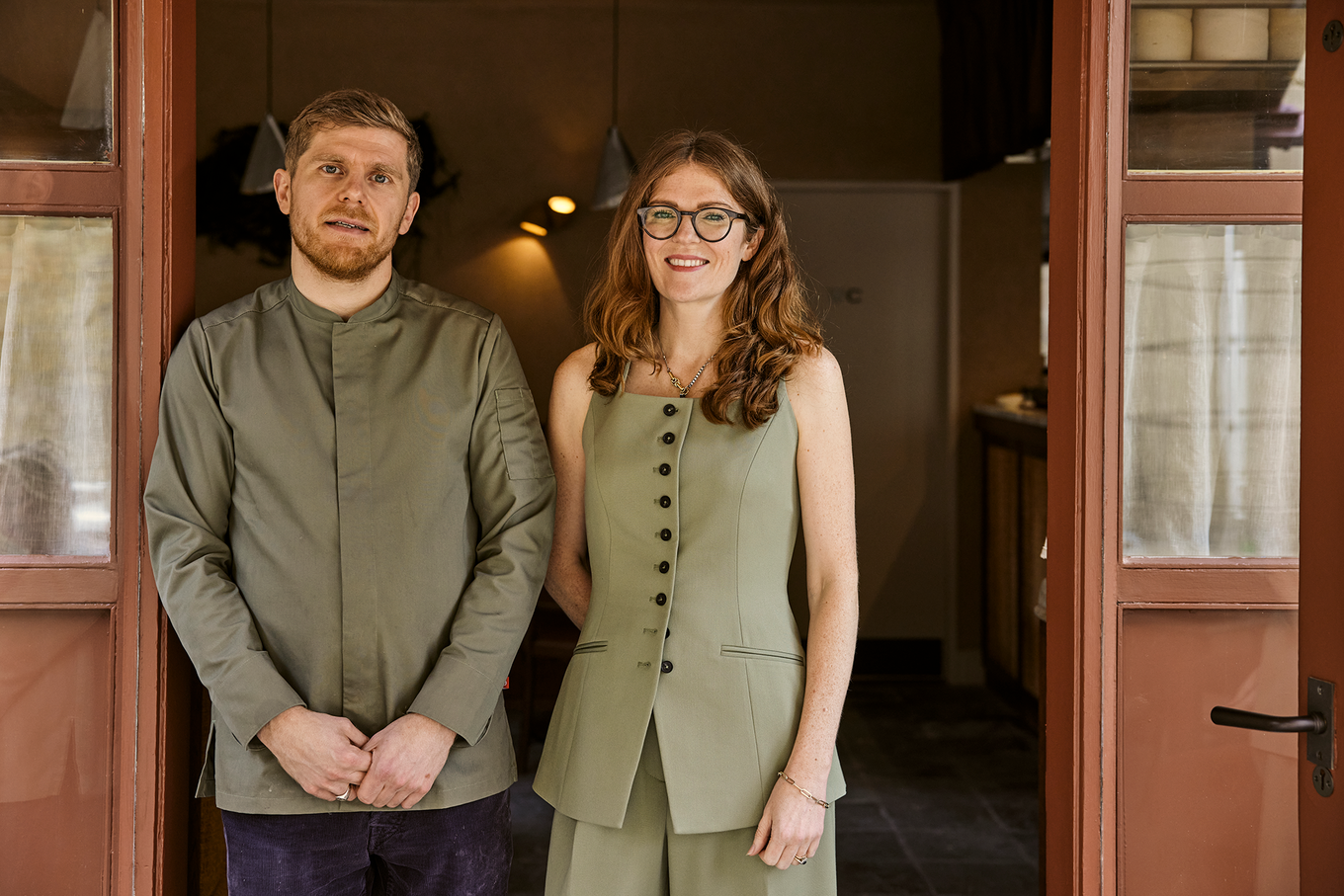
Also contributing to the overall sense of calm is the team behind it all. Much of the small kitchen is open, so diners can watch chefs quietly prepare each dish with careful precision and just the right amount of creative flair. Forget what you think you know about fine-dining culture: this isn’t The Bear. There are no Gordon Ramsay-level explosions. In fact, Kirk Haworth, head chef and co-founder, isn’t a showman at all. He comes off as quiet, considered, and softly spoken. Often, he plays the supporting role during service, standing behind servers and chefs with trays of ingredients for tableside service or cutlery as they present each meticulously crafted course to diners.
If it’s grueling to work at Plates, no signs are evident. And make no mistake, the culture is entirely by design. “I’ve worked in kitchens where service almost feels like it’s been created to be difficult,” Haworth explains. “I try to do the opposite. The difficult part should be getting all the preparation right and getting the team organized, so that when service starts, it can feel as calm, fluid, and easy as possible.”
 Plates
Creativity and cappuccinos
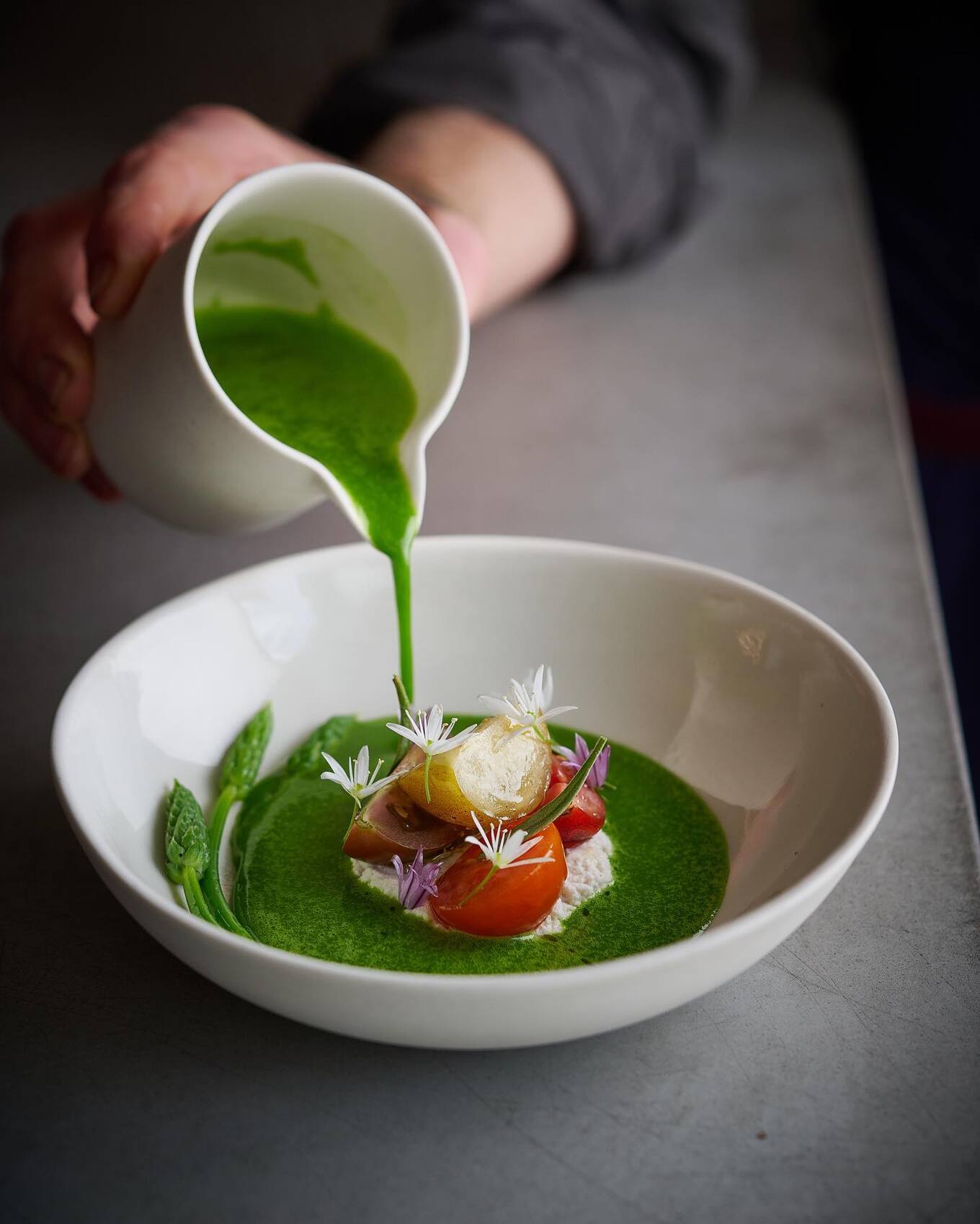
If the maitake dish is a dance, the next course is a chorus of seasonality. Slow-cooked English tomatoes, strawberries, and shiso leaves are sprinkled with frozen tarragon snow—innovative, but understated. As Haworth himself tells us, “sometimes the most interesting thing you can do is leave an ingredient alone and let it be exactly what it is.” Sometimes, but not always. Arguably, half the fun of running a Michelin restaurant is the creative license.
Haworth, who co-founded and runs Plates with his managing director sister Keeley Haworth, cut his teeth in some of the world’s most impressive eateries, including The French Laundry, Restaurant Sat Bains, The Square, and Sydney Harbour’s Quay. He knows how to elevate and experiment with simple ingredients and familiar flavors, and the Thai green curry cappuccino that diners are greeted with shortly after taking their seats is evidence of that. As is the sweetcorn and passionfruit cappuccino that comes halfway through Plates’ eleven-course Discovery Menu.
There is no coffee in Plates’ signature cappuccinos, but the familiar, frothy texture is all there. The flavor—that’s where the experimentation comes in. The first sip is warm, foamy corn; the final one is chilled, juicy passionfruit. An accompanying stone cube holds a delicate sweet and sour truffle. And there’s a surprise underneath it all, but I won’t say more than that.
“I think the cappuccino sits right on the edge of challenging people’s flavor perceptions while still being delicious, comforting, and nostalgic,” says Haworth. “That’s a very Plates thing to do: take something that feels familiar and turn it into something unexpected.”
If guests are still in the mood for another sip, the 12-page list of wines, cocktails, beers, non-alcoholic tipples, coffees, and teas provides ample opportunity. Highlights include the cult-status Vouette et Sorbée Champagne from the Côte des Bar region of France; Lamoresca, a classic Sicilian red wine revered for its fruitiness and notes of bitter wild herbs; and forward-thinking signature cocktails like the Blackberry & Mulberry Leaf Spritz and the Martinez with Strawberry & Mushroom Garum—a complex, sweet-and-savory spin on the classic gin and vermouth drink.
 Safia Shakarchi
Vegan beginnings
Haworth has had to think outside the box for much of his career. While working in Australia more than a decade ago, a tick bite changed everything for the rising culinary star. A diagnosis of late-stage Lyme disease meant transforming his lifestyle, his diet, and everything he knew about cooking. Ingredients previously thought of as staples—like meat, fish, gluten, refined sugar, and dairy—were gone. It would be enough to make some chefs flounder, but Haworth had Michelin-level training, a supportive family (his father, Nigel Haworth, is also a renowned Michelin-starred chef), and the tools to embrace a whole new world of fruit, vegetables, and fungi. Still, it wasn’t an easy ride.
“I had to unlearn everything and start again,” he explains. “I had to rethink how you create flavor and how you make dishes that feel special without relying on those traditional ‘star’ ingredients like scallops, turbot, venison, steak, and caviar. Ingredients that can naturally become the centerpiece of an incredible dish.”
In 2017, he and Keeley launched the Plates pop-up, a platform to introduce Londoners to Haworth’s new creations. “It was humbling to start again,” recalls Haworth. “But it was also incredibly interesting. In a way, it gave me a completely new fuel creatively and changed the way I think about cooking.”
The timing is significant. Plates was at the forefront of a new era; in 2017, veganism and the plant-based movement were really starting to take root in England’s capital city. Nearly 10 years later, London has evolved into a hotbed of plant-based innovation, and Plates is still leading the way.
Its current brick-and-mortar in the city’s trendy Shoreditch district came in 2024, and the coveted Michelin star followed just one year later. Now, scoring a seat at Plates requires a lot of planning and fast fingers. Once released via a newsletter, reservations sell out in minutes.
 Plates
Mushroom magic
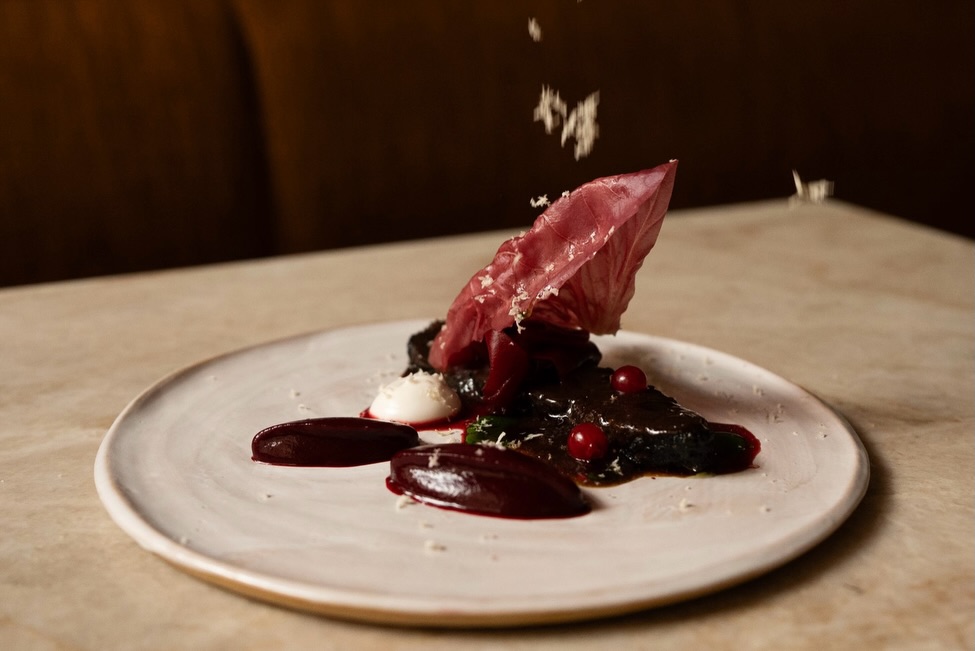
A table at Plates is worth the level of planning required. Courses of joy-inducing maitake, unexpected cappuccinos, housemade cheese, croissant-esque, house-laminated sourdough, and a choice of expert wine pairings (including options like the House Pairing, the Rare & Unique Wine Flight, and the Botanical Pairing) all build up to Plates’ staple dish and the main event: caramelized lion’s mane.
My plate featured a tender, juicy slice of this versatile mushroom with barbecued eggplant, pickled cucumber, gooseberries, and basil, but previous iterations have seen it presented alongside Tokyo turnips and salsa verde or cauliflower cream and smoked shio koji. The ingredients are always changing, but the mushroom itself is a mainstay.
Before you’re served, you’ll be presented with an untouched mushroom in its full, bright white, shaggy glory and a brief education about where it comes from. In nature, lion’s mane grows in the forests of the Northern Hemisphere, but Plates sources the ingredient from an operation in nearby Essex, where it’s cultivated in repurposed shipping containers.
Showcasing the mushroom in its raw form helps diners understand the magic of fine-dining: what a toothy fungus native to temperate hardwood forests can truly become with the right skill set behind it.
“I hope people leave Plates feeling a little more curious about what’s possible with nature,” he says. “What you can do with plants, fruit, and vegetables without needing meat or fish.”
Before my dining partner and I dragged ourselves back to the bustling streets of London, Plates closed us out with two courses of dessert. One revolved around velvety smooth chicory root ice cream and sour cherry compote, and the other featured the finest English raspberries, meadowsweet ice cream, almond praline, mochi, and shavings of black truffle.
“I want [diners] to think, at the end of the day, that the food was just delicious and that they felt completely satisfied,” he says. “But, ultimately, I want them to want to come back.”
Most, we imagine, are happy to oblige. Plates is an experience that’ll stay with you for a long time. Soon enough you might find yourself refreshing your email, waiting for news of more reservations. And when you do return, Haworth will be waiting patiently to serve you more innovation, more plants, and, most importantly, more of that maitakelevel joy.
For more plant-based stories like this, read:
JUMP TO ... Latest News | Recipes | Guides | Health | Subscribe

Charlotte is a VegNews editor and writer based in sunny Southsea on England's southern coast.