


In March, two new studies published in the scientific journal Nature revealed something groundbreaking: dogs have been part of our lives far longer than we once thought. According to research, evidence of domesticated canines dates back to western Eurasia around 14,000 years ago. Today, just like those early humans, we still choose to bring dogs into our families and our homes. In the US alone, research suggests there are nearly 90 million dogs living as companion animals. There may even be one sleeping at your feet as you read this.
The way we feed our dogs has changed dramatically over the centuries. Medieval peasants fed them potatoes and cabbage, while Roman dogs ate milk-soaked bread and scraps from the table. Queen Victoria gave her dachshunds some of the earliest commercial dog biscuits, and by the 1920s, canned horse meat had become the norm. Today, thousands of dog food products line supermarket shelves. There’s dry kibble, wet food, fresh food, dental chews, and oven-baked treats—you name it. But most have one thing in common: they’re made with meat.
 Dogs have been in humans’ lives for thousands of years, and their diets have changed a lot in that time. | Pexels
The difference between the meat our dogs eat today and the food their earliest ancestors consumed, however, is stark. For one, agriculture—let alone industrialized factory farming—had not yet been invented. Dogs ate meat sparingly, just as humans did. In fact, there is evidence to suggest that Bronze Age dogs survived largely on cereals instead. They survived because, like humans, dogs can thrive on a plant-based diet. They are omnivores.
The shift to meat-heavy diets poses a problem, though. Like us, dogs are contributing to the growing environmental pressures that are pushing the planet toward ecological crisis. But it doesn’t have to be this way. A new generation of plant-based dog food brands, such as PawCo, is proving that there’s another option—one that could be better for the planet without compromising canine health. Here’s why sustainable dog food matters now more than ever.
“Pet food is one of the biggest untapped opportunities in sustainable food. By shifting dogs to nutritionally complete plant-based diets, we can dramatically reduce the land, water, and emissions required to feed millions of pets.” —Mahsa Vazin, PhD and founder of PawCo
The environmental impact of dog food
According to Andrew Knight, PhD, a veterinary professor who specializes in plant-based nutrition for companion animals, the average dog consumes 13 farmed land animals every year. To put that into perspective, the average human consumes nine. Zoom out further, and the scale becomes even more striking: America’s nearly 90 million dogs consume the equivalent of around 1.73 billion farmed land animals annually.
As we know from research on human meat-centered diets, this level of animal agriculture comes at a significant cost. Beyond concerns about animal welfare, raising billions of farmed animals requires vast amounts of land, water, and feed. It is also a major source of greenhouse gas emissions. But we don’t have to rely on studies of human diets alone to understand the impact. Knight has spent years researching the environmental footprint of dog food specifically, and his findings are eye-opening.
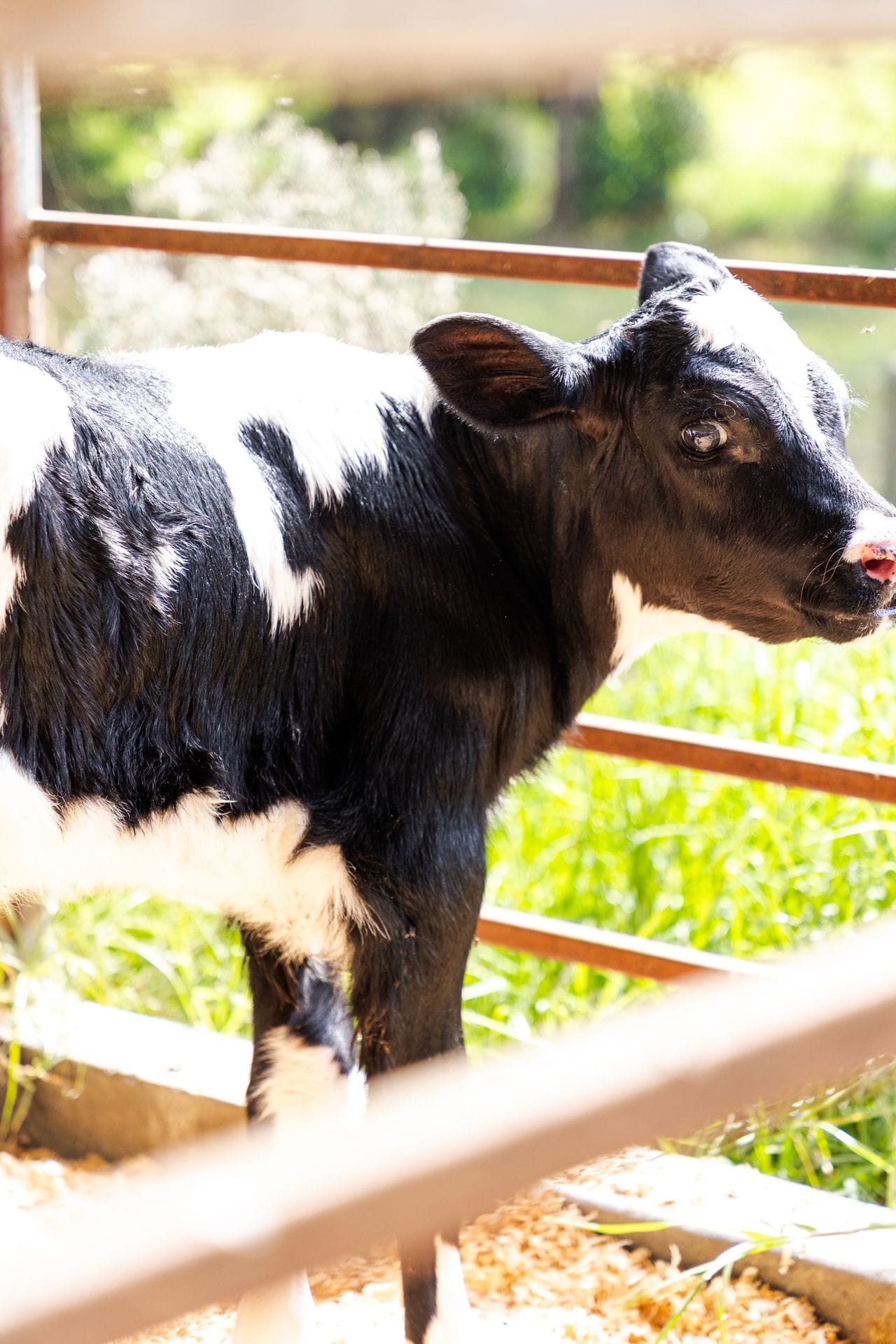 According to research by Andrew Knight, PhD, the average dog consumes 13 farmed land animals every year. | Pexels
“Globally, pet dogs consume at least 6 billion farmed land animals annually, or around eight percent of the worldwide total,” he explained to VegNews. “Producing those 6 billion farmed animals requires land larger than Mexico and consumes sufficient food energy to feed 450 million extra people—the population of the EU. It also creates enormous wastes, including 1.5 times the total greenhouse gas emissions produced by the UK.”
In wealthier countries, where companion animal ownership is more common, the impact is even greater. According to Knight, “the national consumption of farmed land animals by dogs lifts from eight percent to 18 percent of the national total.”
The conclusion is hard to ignore: the status quo is unsustainable. And that’s where companies like PawCo come in.
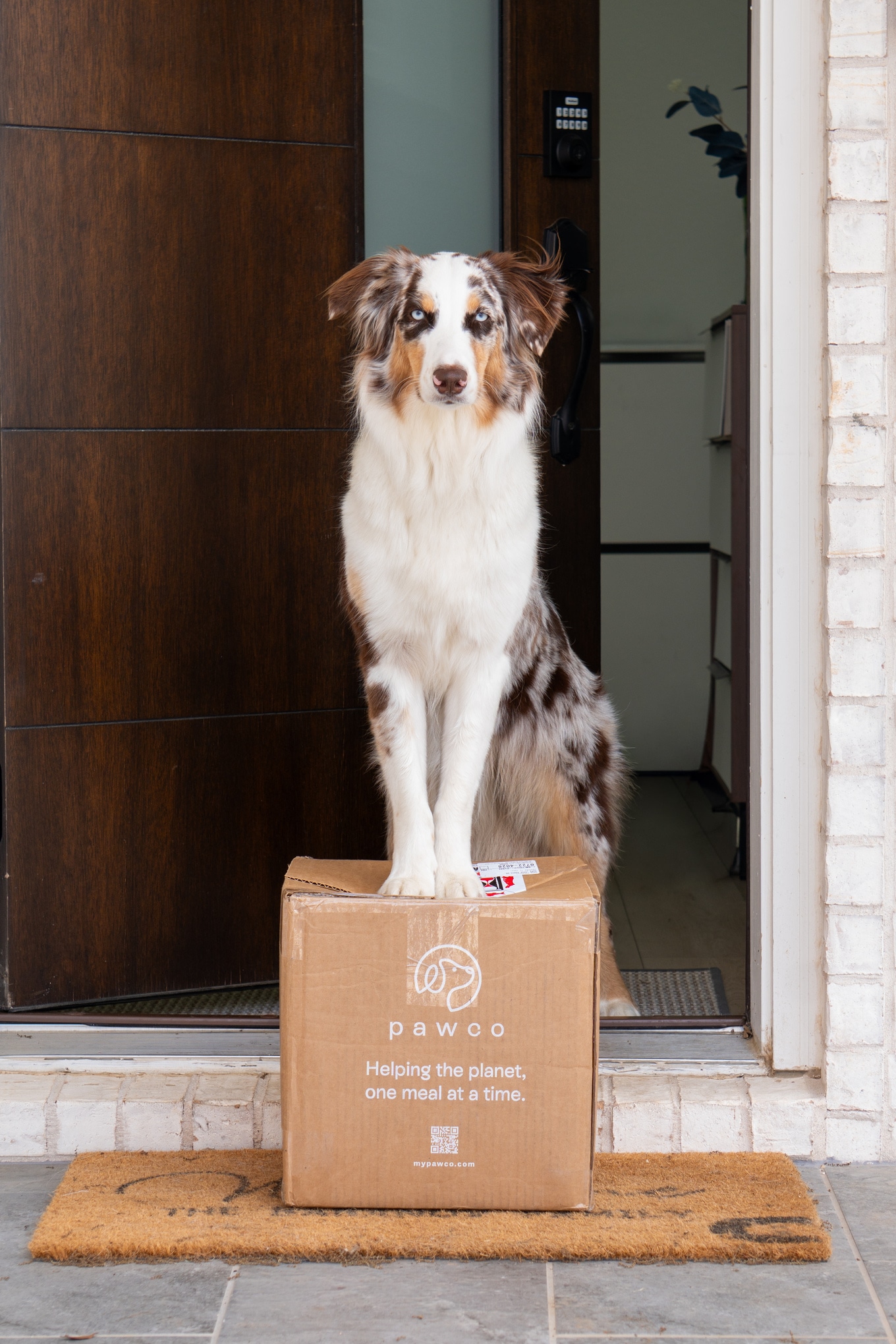 Dogs can thrive on sustainable, plant-based diets, as long as their nutritional needs are met. | PawCo
Why PawCo’s dog food gets top marks for sustainability
For anyone concerned that reducing their dog’s meat intake might compromise their health, Knight offers reassurance. “What dogs really need is a specific set of nutrients,” he says. “Modern plant-based pet food companies generally work with nutritional specialists to ensure diets are fully supplemented with all the essential nutrients dogs require.”
The research supports this view. Knight notes that there are now 11 studies and one systematic review on the subject, all of which indicate that dogs can thrive on a plant-based diet when their nutritional needs are properly met.
Mahsa Vazin, PhD, CEO and founder of PawCo—and a scientist—agrees. “The question isn’t where nutrients come from—it’s whether dogs get everything they need to thrive,” she tells VegNews. “Modern nutrition science allows us to deliver complete, balanced nutrition while significantly reducing environmental impact.”
 Sustainable plant-based foods like berries, peanut butter, broccoli, and peas are all healthy for dogs.
At PawCo, that nutrition comes in the form of fresh, vet-formulated meals, treats, and toppers made with ingredients like broccoli, peas, carrots, peanut butter, apples, pumpkin, and cranberries. Noticeably absent? Farmed land animals. As a result, the company says its plant-based dog food has already saved enough water to sustain 700,000 people, reduced emissions by the equivalent of taking 250 cars off the road, and spared the lives of nearly 2,760 animals.
“I’d like to see more transparency and more innovation. The industry has an opportunity to measure environmental impact more rigorously and invest in the next generation of sustainable nutrition.” —Vazin
But PawCo’s sustainability efforts extend far beyond its ingredient list. The brand also prioritizes responsible sourcing and environmentally conscious packaging. Every shipping box is recyclable, as are the ice packs used to keep products fresh during transit. Those efforts matter when you consider that the pet food industry generates roughly 300 million pounds of plastic waste each year. In recognition of its sustainability initiatives, PawCo received accreditation from the Pet Sustainability Coalition in 2024.
“We view sustainability as a systems challenge, not just an ingredient choice,” says Vazin. “From sourcing and manufacturing to packaging and logistics, we look for opportunities to reduce waste and improve efficiency across the entire value chain.”
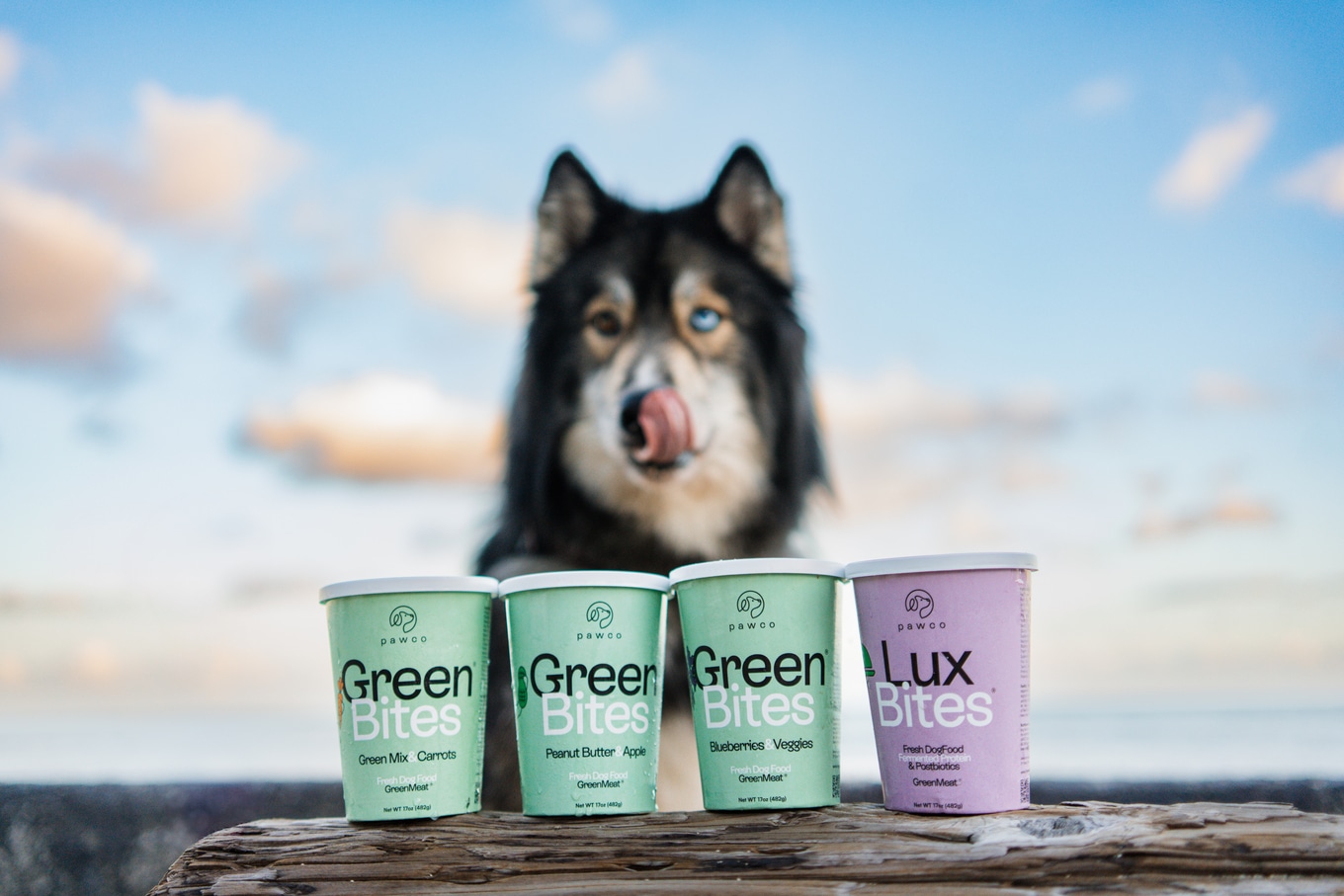 PawCo believes the future of dog food is plant-based.
The future of dog food
PawCo is doing meaningful work, but it is just one part of a much bigger picture. In the US alone, the dog food market was valued at more than $42 billion in 2026 and is expected to surpass $62.5 billion by 2031, according to Mordor Intelligence.
Fortunately, PawCo is not alone. The same research firm projects that the vegan dog food market could be worth nearly $10 billion by 2030. If that prediction holds true, plant-based products would represent a significant share of the industry. But given the scale of the environmental challenges linked to pet food, even greater change is needed. The encouraging news, says Knight, is that consumers appear increasingly open to alternatives.
“Our recent study of 2,600+ dog guardians found that 43 percent of those feeding conventional or raw meat-based diets would consider more sustainable alternatives such as vegan, vegetarian, or cultivated-meat formulations,” he explains.
For most dog parents, however, sustainability alone is not enough—nutrition remains the top priority. That’s why companies like PawCo are so important to the future of the plant-based pet food industry.
“This sector clearly has a bright future. It’s already growing very fast, and will grow faster still, when dog carers learn about these diets and the benefits they can offer.” —Knight
Still, both Knight and Vazin believe there is room for further progress. For companies like PawCo, the goal is to prove that sustainability and nutrition do not have to be at odds. “I’d love more people to recognize that every pet food purchase is also a climate decision,” says Vazin. “The exciting part is that consumers no longer have to choose between what’s best for their dog and what’s best for the planet.”
After living alongside humans for thousands of years, dogs have adapted to many changes. The question now is whether the way we feed them can evolve, too.
Thank you to PawCo for partnering with VegNews on this story.

For more plant-based stories like this, read:
JUMP TO ... Latest News | Recipes | Guides | Health | Subscribe

Charlotte is a VegNews editor and writer based in sunny Southsea on England's southern coast.